Food is fundamental to many nations as it often displays a country’s history, culture and way of life. Often traditional recipes are handed down between generations so distinctive food and cooking can continue. As well as being tasty, national foods can also showcase what is grown/produced within an area, together with historical and cultural information. Studying traditional food enables people to recognise how food can unite people and display a nation’s heritage.
The significance of a nation’s food
National food is highly significant within a culture. Each country has traditional food that encapsulates its history and the various areas within it. Typically, traditional food is cooked at times of celebration, both personal and national, together with family events and weddings. People share traditional food in order to uphold their culture. It can also be used to educate younger generations regarding their culture.
Traditional recipes and family culture
Numerous traditional recipes can often be handed down between family generations. Usually grandparents and parents will demonstrate to their children how to cook traditional, special food using recognised ingredients and cooking styles. There may even be special seasonings and/or cooking styles which are specific to a family. Ensuring traditional family recipes are retained is an effective way of upholding food culture and recollecting cultural information.
Pakistani traditional food
Pakistan is recognised worldwide for its tasty traditional food. Popular Pakistani food includes biryani, nihari, haleem, karahi and chapli kebab. These meals are generally cooked using a variety of spices and fresh produce. Furthermore, Pakistani food displays the effects of various areas and cultures within the nation – thus offering a highly varied and pleasant food culture.
Italian food and Traditional Recipes
Italy is globally renowned for its traditional food such as pasta, pizza, risotto and lasagna. Italian food frequently features fresh produce together with tomatoes, olive oil, cheese and herbs. Again, many traditional recipes are often associated with specific areas, as well as family lineages. The global popularity of Italian food highlights how a nation’s traditional food can form a key element of that nation’s worldwide image.

Japanese food
Japanese food is recognised for its harmony, visual appeal and use of fresh produce. Traditional Japanese food such as sushi, ramen, tempura and miso soup are significant within Japanese food culture. Ingredients frequently used are rice, fish, vegetables and soy. Like many other food cultures, Japanese food emphasises minimalism, seasonality and meticulous preparation.
Locally sourced food
Particular flavours and styles are created within traditional recipes by using locally sourced food. Each country typically utilises items that can be readily found in its surrounding area. Communities near to the coast often integrate seafood into their food whereas those in more rural areas may predominantly consume rice, wheat, fruit/vegetables and dairy. Utilising locally sourced produce is an efficient way of ensuring traditional food is cooked in its true style. It also benefits the local farming and food production industries.
National food in celebration
Traditional food is particularly significant within both cultural and religious events. Families cook special food to entertain people, recognise key events and further develop links between those involved. In Pakistan, for instance, special food is often produced and presented throughout the Eid period. Similarly, numerous countries possess traditional foods which are eaten at Christmas, New Year and harvest time. Such food can generate enduring recollections and encourage community bonding.
Global awareness of a nation’s food
Worldwide movement, alongside the presence of restaurants and the internet, has facilitated global awareness of a nation’s traditional food. No longer is it necessary to visit another country in order to experience alternative food cultures. Establishments offering genuine national food can further enhance intercultural awareness. Moreover, such global awareness provides communities with added motivation to sustain traditional cooking styles.
Securing a nation’s food for the future
Various parties, such as families, chefs, restaurants and cultural institutions, can all work to secure traditional food. Younger individuals should be educated regarding traditional ingredients, cooking styles and the background of a nation’s food. Additional ways of securing traditional food culture include food festivals, cookery lessons and online recipe archives. Merging traditional and contemporary cooking styles can also be an effective way of guaranteeing that a nation’s food remains pertinent for future generations.
Conclusion
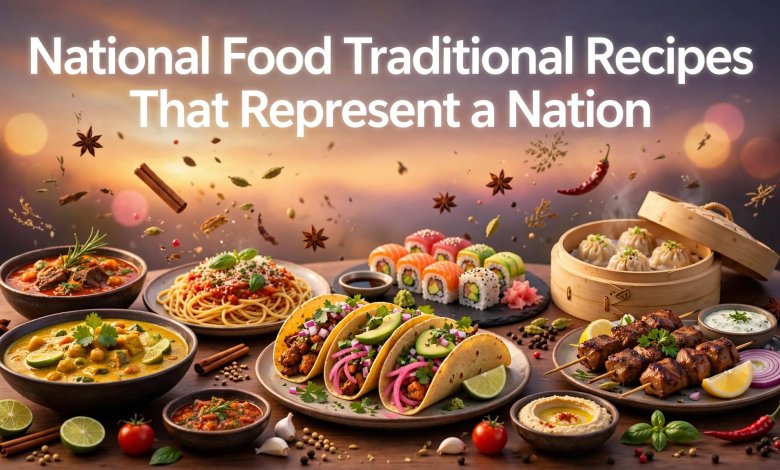
National food embodies a country’s history, culture and traditions. Whether it be Pakistani biryani, Italian pasta or Japanese sushi, each traditional food possesses its own individual narrative. Alongside showcasing local produce, traditional recipes can link together multiple generations and also present various cultures via taste.Securing traditional food is therefore crucial as it ensures that a vital element of a nation’s heritage is maintained.
Studying and preparing genuine traditional food can then be utilised to recognise and appreciate cultural variety and guarantee that global traditional food culture remains prospering.
Thanks