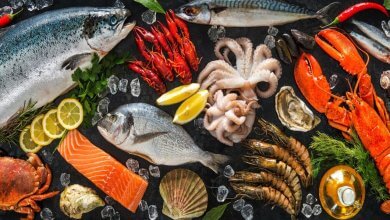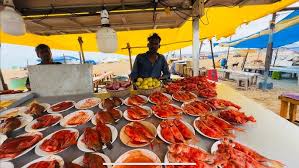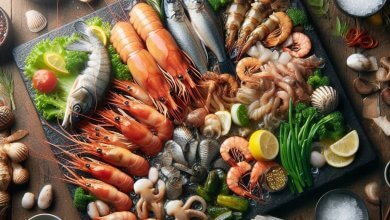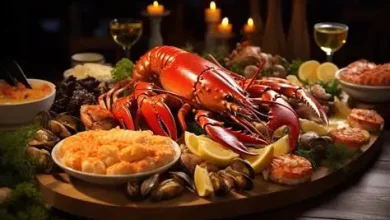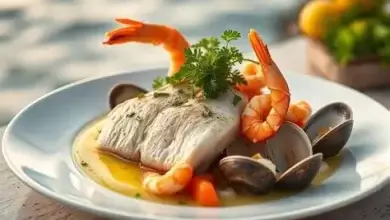
Around the globe, seafood is a highly valued food type. People can enjoy grilled fish, shrimp and a range of seafood based curries. People recognise the great taste and quality of seafood and enjoy the adaptability of which it can be made. Each coastal area produces its own specific cooking style, favoured seasonings and favourite seafood dishes. Investigating seafood therefore enables people to understand and engage with a range of global cultures through food.
Importance of fresh produce
Fish, shrimp, crab, lobster and shellfish are all widely cooked by coastal communities. Fresh seafood is recognised for its superior taste and consistency. In many coastal areas, local fisherman provide seafood to both markets and restaurants. Careful selection and storage of fresh seafood enables good quality seafood to be produced and further enhances the cooking process.
Grilled fish
Grilled fish is highly favoured within coastal communities. Typically it is seasoned with lemon, garlic, herbs and both local and general seasonings. Grilling results in a lightly crunchy outer layer of food, whilst simultaneously producing moist and tasty food. Again, each country will devise its own marinade and cookery so that there is a different approach to grilled seafood in each place.
Shrimp and prawns
Shrimp and/or prawns can be cooked in numerous ways and are valued components within global food. People can grill, fry, steam and/or add these foods to tasty sauces. Popular dishes include garlic butter shrimp, prawn curry and seafood pasta. The soft nature and subtle taste of shrimp and prawns means these foods can be successfully paired with a wide range of produce and seasonings.
Investigating seafood curries
Seafood curries are highly favoured by coastal communities in South Asia and Southeast Asia. Typically, these foods incorporate fish and/or prawns and utilise various seasonings such as tomatoes, onions, garlic, ginger, turmeric and chillies. Furthermore, in several locations, coconut milk is added to seafood curries to add a sumptuous and creamy component. Usually, seafood curries are accompanied by rice, flat bread and/or further conventional side dishes.

Local seasonings and produce
Both seasonings and produce are vital in defining a coastal community’s typical seafood dish. Commonly utilised seasonings include lemon, coriander, garlic, ginger, chilli, black pepper and fresh herbs. Additional seasonings, such as coconut and tamarind, plus local seasoning blends, are also used. Together, local seasonings and produce form enticing food combinations which are representative of a particular area’s food culture.
Iconic global seafood dishes
Many countries have produced iconic seafood foodstuffs which are globally recognised and sought after. For instance, Japan is renowned for its sushi, which incorporates expertly prepared fish and rice. Furthermore, seafood, rice and traditional seasonings are key elements of paella, which originates from Spain. Italian seafood pasta is also popular, and is recognised for its fresh produce and tasty sauces. These examples illustrate how global cultures adapt seafood to produce mouth-watering food.
Seafood soups and stews
Many coastal areas enjoy consuming seafood soups and stews. These can largely comprise seafood, vegetables and herbs and are often based in tasty stock. A renowned soup, originating from France, is bouillabaisse. This dish merges a range of seafoods with fragrant seasonings. Particularly, people greatly value the superb tasting properties of soups and stews, as well as their ability to merge various foodstuffs together.
Nutritional value of Seafood
Seafood can be highly nutritious and typically contains good sources of protein, vitamins, minerals and omega 3’s. Again, there are differing nutritional values associated with each type of seafood. For example, fish (such as salmon and sardines) are recognised for their high omega 3 levels. Shrimp is a good source of protein and also contains a range of important nutrients. Healthy dietary behaviours can be encouraged by controlling portion size and by cooking seafood via healthier approaches such as grilling, baking and/or steaming.
Sustainable seafood
Sustainable methods are significant in the preservation of our seas and for ensuring continued food provision. People can endeavour to eat sustainably sourced seafood and can also investigate what seafood is in season. Correct storage, cooking and minimising food wastage are further key considerations. Encouraging sustainable fishing methods enables coastal communities to continue to uphold their food culture and also ensures that precious marine resources are secured for the future.
Conclusion
Seafood is a stimulating medium for engaging with the food culture of coastal areas. Alongside grilled fish, fiery prawn curries and global food specialities, seafood is manipulated in innovative ways by various cultures. Unique food items are produced due to the influence of local produce, seasonings and cooking methods. Therefore, by analysing the array of seafood available and upholding sustainable principles,
individuals can both indulge in and recognise the significance of coastal food culture – both culturally and environmentally.
Thanks