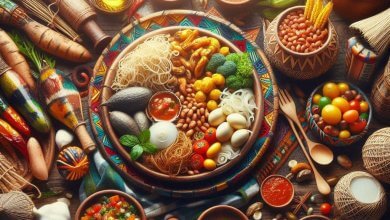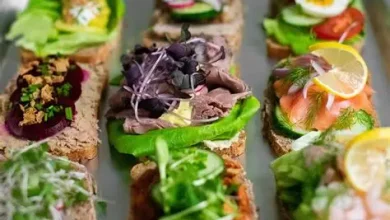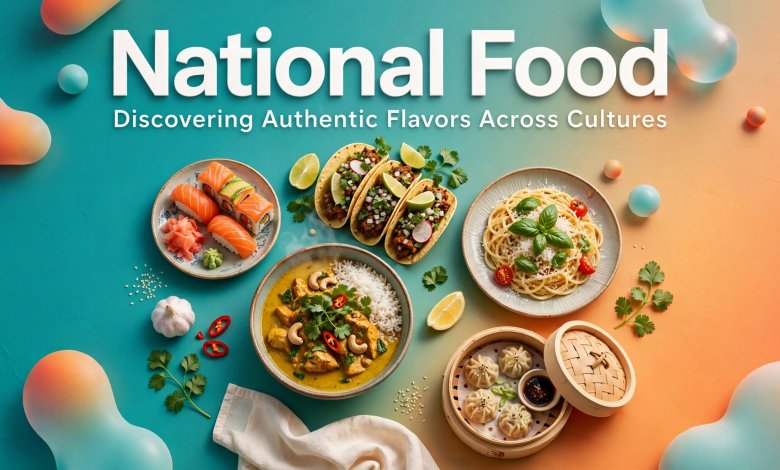
Eating authentic food from different countries allows us to experience various cultures. Each country has many foods which represent them; showing what they were influenced by historically, the ingredients used, techniques used to cook them and their culture. Whether it be hot and spicy, comforting soups, or sweet desserts, tasting authentic national foods really allows people to connect with the culture of that country. By exploring authentic food from a variety of countries we grow to appreciate the diversity in the world, and understand how food unites people.
Significance of National Food
National food reflects the culture of a country. Dishes in many countries have been traditionally eaten for many years, and are often eaten during family times, celebrations or special occasions. They can give insight into the history of a country along with the geography and culture that it contains. Therefore, national foods are an important aspect of a countries’ culture.
Asian Food
Diversity, rich flavours and balanced tastes make eating Asian food very popular. In countries such as China, Japan, Thailand, India and Pakistan, people eat very distinctive foods. Whether it be Japanese sushi, Chinese noodles, Pakistani biryani or Indian curries; these dishes combine different spices, fresh ingredients and traditional cooking methods to produce great tasting meals.
European Food
Countries in Europe have a wide variety of food. Popular dishes include pizza and pasta in Italy, pastries in France, fondue in Switzerland and paella in Spain. Often in these dishes, fresh ingredients are used, carefully cooked and have been passed down through families.
African Food
Africa has a wide variety of cultures meaning that the food varies greatly. Grilled meats, stews, rice dishes, fruit and vegetables are all commonly found in African food. In Nigeria Jollof Rice is popular, in Morocco couscous is eaten and in Ethiopia Injera is eaten. These dishes use ingredients local to the area, and have unique spices and cooking techniques.
Middle Eastern Food
Middle Eastern food is very well liked due to the rich spices, fresh herbs, barbecues and friendly nature of the food. Dishes such as Hummus, kebabs, falafel, shawarma and traditional rice dishes are eaten in many countries. Eating food with people is an important part of this culture. It creates a sense of friendship, kindness and unity within people.
Ingredients used in different areas
Often in national food, certain ingredients will be used depending on where in the country you are. In coastal areas fresh fish is common in meals. In rural/farming areas grain and vegetables are eaten. In mountainous regions dairy products and filling meals may be more common. Different ingredients in different regions mean that traditional foods have unique tastes, and help traditional cooking methods be maintained.
Celebrations
Food is very important in celebration. Whether it be a festival, wedding, religious event or family event, special foods will be made. This can create wonderful memories for people. Young people can gain knowledge of their culture by learning the recipes, cooking methods and experiences surrounding the food.
Tasting new foods when travelling
When on a trip, people can taste authentic foods in local shops, small cafes and traditional food stalls. This means people get to try foods which they may not have been able to try otherwise. Trying new food can increase curiosity, appreciation of the culture and knowledge of people from different communities.
Maintaining traditional recipes
As trends in food change, it is very important that traditional recipes are preserved. Families, chefs and local communities can do this by passing down traditional cooking methods, supporting local producers of food in the area and sharing local recipes. By doing this, traditional tastes in food will continue to be in future generations.
Conclusion
National food represents history, culture, creativity and community. By trying authentic foods from different cultures, we begin to understand different traditions, and appreciate diversity.

Each food contains a story, and so by trying these foods from around the world we create a sense of connection, warmth and flavour in the world.
Thanks