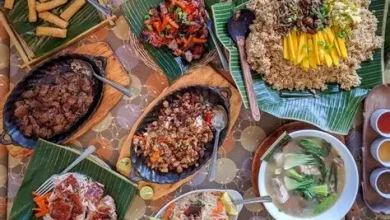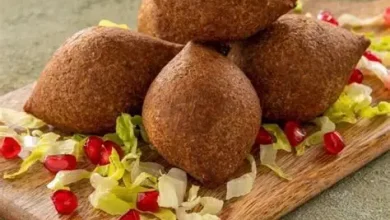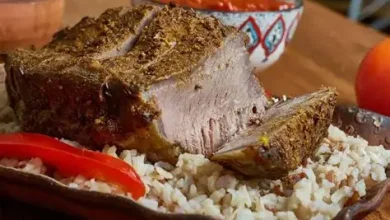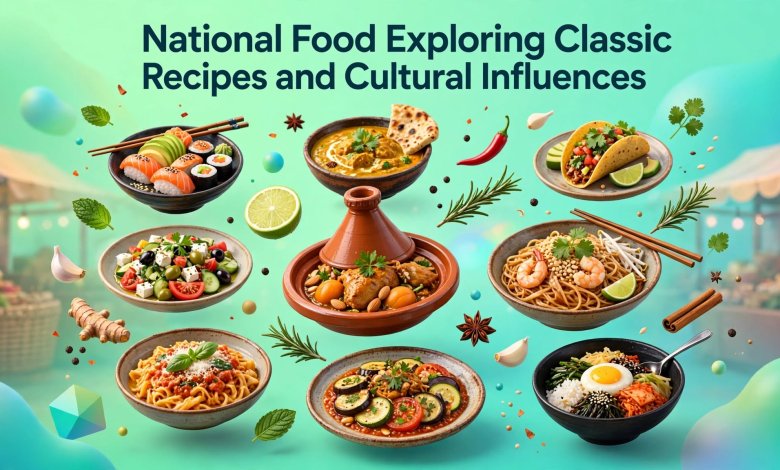
National dishes can tell people about the culture of certain countries. Each country will have specific dishes in them made from local ingredients and influenced by the history of the area. Rice dishes, soups, grills and desserts create a variety of tastes in each countries national dish. Eating food can bring people in a community together as dishes can be passed down through families and celebrated in cultural events. Looking at traditional dishes and the cultural influence on them can show how different people in different places identify themselves.
Traditional Dishes
Many national dishes are traditional. Recipes have been created and passed down in families/communities for many years. They often reflect the history of the place and how people live in that region. Cooking traditional dishes means that knowledge from the culture is maintained. It gives younger people an insight into the flavours and traditions of previous generations.
Local Ingredients
The ingredients used in national dishes can vary greatly depending on where in the country they come from. Countries with good agricultural land may contain lots of fresh vegetables, grains, fruits and herbs. Coastal regions will have many sea based ingredients. In mountainous regions dairy and preserved food may be more common. Depending on the climate and location people in different regions will have access to different ingredients which creates different flavours in each region.
Influence from Other Cultures
National dishes from different countries can be influenced by other cultures. As people migrate and trade with different countries, new ingredients and spices are incorporated into a nations cuisine. For example many Asian dishes are influenced by other nearby countries. Similarly, many dishes from the Mediterranean region reflect international trade which took place over many years. Due to links with different cultures, national dishes can be very varied and interesting.
Rice Dishes
Many national dishes across Asia include rice. Dishes such as biryani, pilaf and rice curries include rice, spices, vegetable and meats. Different countries and regions will prepare them in ways to create different flavour combinations. Rice dishes are often eaten in groups of family, during celebrations or traditional festivals.

Spices
Spices are key in creating flavours in national dishes. Turmeric, cumin, coriander, cinnamon, ginger and chillies are all commonly found in national dishes. Different countries and regions will use varying amounts of each spice to create different flavours. In some national dishes, the spices are fairly mild and fragrant whereas in others, they are very spicy. Using traditional methods of seasoning helps to create distinctive flavours to make each national cuisine unique.
Street Food
Street food is important in national dishes as it means people can easily eat traditional foods. Many street foods include grills, sandwiches, noodles, fried foods and regional dishes. Street food vendors often use traditional recipes, however many times they can be creatively altered. Eating street food allows social connections to be made. It also allows tourists to get an authentic taste of local culture, as it is cheap and popular.
Eaten During Celebrations
Eating certain dishes is important in cultural celebrations. Special dishes are made for celebrations such as weddings, religious events, harvests and family events. The foods often reflect positive feelings within the community, including being welcoming, grateful and being together. Eating traditional sweet foods or celebration dishes means that communities can maintain their traditions and create special experiences which can be passed onto future generations.
Changing Traditional Dishes
Due to modern life and influences from other countries, traditional national dishes are continuously changing. New ingredients, healthier cooking methods and creatively presented dishes are becoming popular in restaurants. Traditional recipes can be adapted to suit new diet preferences. While new variations create exciting options, it is important to maintain original cooking methods to retain the authenticity of national dishes.
Maintaining National Dishes
Working together in families, chefs, restaurants and cultural organisations can help maintain national dishes. By recording traditional recipes, helping local farmers and educating younger people about regional dishes can allow valuable traditions to be maintained. Food festivals and cultural events allow traditional dishes from different countries to be shared with people from around the world. This means that traditional recipes can be valued and meaningful in the future.
Conclusion
National dishes not only give people recipes but represent the culture, history, location and traditions within communities. Different ingredients from certain regions, traditional cooking methods, spices and cultural influences mean that every country has very unique tastes in their dishes. Looking at traditional recipes allows appreciation for the variety of food from around the world. In order to maintain national food culture, traditional dishes can be celebrated and new innovations embraced.
This means that food cultures in communities can be maintained for generations.
Thanks