Although Switzerland is recognised for its stunning landscapes and tranquil villages, it also has an attractive food culture. The Swiss have adopted features from German, French and Italian cuisine. Alongside producing some outstanding foods, the Swiss enjoy eating well and in particular, a wide range of both traditional and local specialities. Swiss food clearly demonstrates its heritage and makes good use of local produce. Investigating Swiss food and drink is a highly effective method for analysing the nation’s culture.
Cheese Fondue
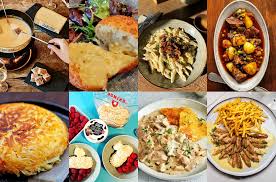
A very well known Swiss food, cheese fondue is traditionally created by melting cheese in a pot along with white wine and seasonings. Long forks are then used to dip pieces of bread into the hot fondue. As it is particularly warming, fondue is often favoured in the winter. It also embodies the Swiss love of good food and the importance placed upon eating together as a family and with friends.
Raclette
Alongside fondue, raclette is also widely loved Swiss food. Traditionally, raclette cheese is melted and then topped with boiled potatoes. Additional flavour is frequently provided by pickled vegetables, onions and seasonings. Due to its smooth and indulgent nature, raclette is often eaten in groups and is also typical of Swiss food.
Rösti
Rösti is a traditional Swiss potato dish. It is mostly created from shredded potatoes which are moulded into a pancake like shape and deep-fried. Occasionally, rösti is also mixed with onions, cheese and/or bacon. Historically, this dish was favoured within farming areas but is now widely consumed in Switzerland. Frequently, it accompanies other foods but can also be eaten alone and makes for a satisfying meal.
Zürcher Geschnetzeltes
This is a traditional Zurich speciality. Thin strips of veal are cooked in a creamy sauce which may contain mushrooms, onions, white wine and cream. It is frequently eaten with rösti and so, once again, there is a pleasing contrast between soft and crunchy foods. People value this sumptuous food for both its flavour and its traditional method of preparation.

Swiss sausages
Sausages play an important role in Swiss food. Again, each area has its own type of sausage, which is produced from differing types of meat and seasoned and cooked in various ways. Well known sausages include Cervelat (traditional Swiss) and St. Galler Bratwurst. They are usually barbequed or cooked and then eaten with bread, mustard and/or potato based foods. Locals love to eat sausages in markets, restaurants and alfresco settings.
Älplermagronen
This is another typical Swiss food. It is a combination of pasta, potatoes, cheese and cream, and is frequently accompanied by apple sauce. There is therefore both a sweet and savoury element to this dish. Historically, it was favoured by those living in the Alps as it provided much needed sustenance for those working long hours. Nowadays, it continues to be a favoured food for those who favour heart-warming Swiss food.
Swiss Chocolate
Worldwide, Swiss chocolate is highly regarded for its silky feel and quality. The Swiss have successfully established themselves as masters of chocolate production by employing meticulous processes and sourcing premium products. Apart from milk chocolate, people also favour both dark and white chocolate. Chocolate can be found in numerous forms such as chocolate bars, and in desserts, cakes and more.
Swiss Pastries and other desserts
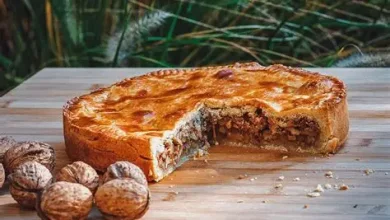
Various scrumptious pastries and desserts are typical of Swiss food. For example, Bündner Nusstorte is a nut-stuffed pastry which originates from the Graubünden region. Another favoured dessert is Vermicelles which is a sweet dish containing chestnuts and is regularly eaten with cream. Fruit tarts, meringues and additional chocolate based desserts are also popular. Again, these foods exhibit local produce and utilise time honoured pastry preparation skills.
Regional food customs and favourite foods
As previously mentioned, Swiss food differs from region to region. Typically, German speaking areas favour rösti and substantial meat based foods. French speaking areas often emphasise cheese and favour refined food. Italian speaking Ticino favours pasta, risotto and polenta. Therefore, Swiss food is varied and intriguing and enables tourists to investigate a wide range of genuine local foods.
Conclusion
Swiss food is wonderfully representative of the nation’s heritage, and effectively incorporates regional elements. With foods such as fondue and raclette, rösti and alpine foods, alongside world renowned chocolate, each dish relates to Switzerland in some manner. Investigating classic Swiss food thus aids understanding of the country’s culture and customs. Regardless of whether people are sampling traditional food in a mountain village or investigating Swiss food in a local restaurant,
the nation’s food culture presents an amazing experience for all food enthusiasts.
Thanks