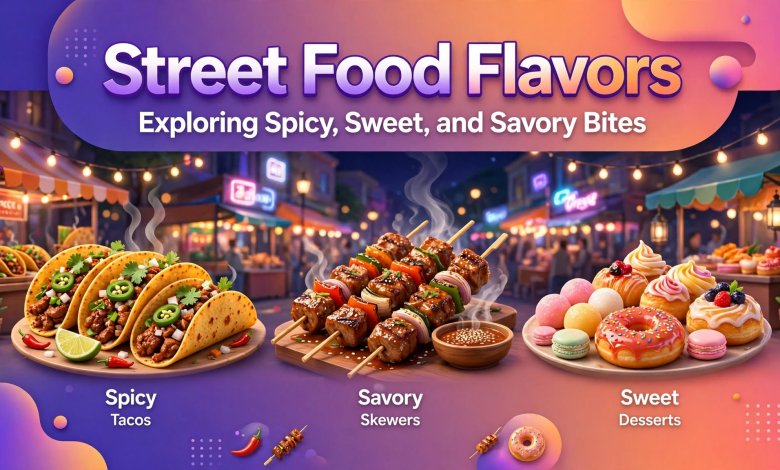
Street food can be highly appealing. Markets and roadside sellers serve a variety of mouth-watering, culture-specific and innovative street food. It is widely favoured as a food type due to its cost-effectiveness and ease of access. Individuals can enjoy sweet, savoury and/or spicy foods and there is always something new and intriguing to try. People can gain an understanding of various cultures via the food, cooking and recipes used within street food.
Spicy Street Food
Many individuals love spicy food and this is a common theme in street food. Numerous nations cook in accordance with their own customs and frequently utilise chilies, peppers, garlic and fragrant seasonings. Examples of spicy street food include Pakistani chaat, Indian pani puri, Mexican tacos and Thai noodles. These foods are often made up of a range of components and seasonings and therefore provide stimulating taste profiles.
Sweet Street Food
Street food can delight people of all ages with its sweet foodstuffs. Sellers use sweet materials such as sugar, dairy produce, fruit, chocolate and nuts to create tasty sweet food. Well-known sweet street food includes Turkish baklava, Indian jalebi, Belgian waffles and Japanese mochi. Often, these foods are influenced by the prevalent local cuisine meaning that people can learn about conventional sweet food items as they visit various locations.
Savoury Street Food
Individuals can enjoy tasty and easily accessible savoury street food. Sandwiches, kebabs, dumplings, meat pies and corn are just some of the popular savoury street foods. Frequently, these incorporate fresh vegetables, herbs, condiments and well-chosen seasonings. Due to their enticing taste and ease of access, savoury street foods are much loved by the busy; including workers, students and travellers.
Understanding Food Culture
Street food can provide an insight into the history and culture of a community. Often, recipes are traditionally handed down and so customary cooking practices and cultural impacts can continue to be passed on. Furthermore, sellers will commonly use locally available foodstuffs when cooking. Studying a region’s street food can therefore enable people to recognise how geographical location, history and the way of life of a community can affect the foods that are consumed.
Popular Street Food Cities
There are several world-renowned cities famed for their interesting street food. Karachi is well known for its biryani, bun kebabs and chaat. Bangkok entices people due to its wide range of noodles and barbecued food, and Istanbul has superb kebab and meat pie options. Mexico City is recognised for its tacos and tamales. These cities each offer distinctive and diverse food profiles.
Quality Produce and Cooking Styles
High quality produce is fundamental to good street food. Sellers utilise a variety of foodstuffs such as vegetables, herbs, meats, fish and local seasonings to construct delectable foods. Furthermore, grilling, frying, steaming and roasting all contribute differing textural and olfactory characteristics to food. People find street food engaging as they can witness the food being cooked and thus engage with and appreciate typical cooking styles and scents.
Cost-Effective and Accessible
Cost is a key factor in the desirability of street food. Individuals can indulge in tasty food at relatively low cost. Street food sellers can also serve food rapidly and so this food type is easily accessible. Again, from small bites to full meals, street food is diverse and can thus cater for a wide range of financial and personal circumstances.
Social Street Food
Street food has strong social connotations. Families, friends, tourists and local people can all dine together in the communal setting that street food often provides. Food markets and roadside food sellers can be significant focal points within a community. Alongside sharing and learning about food, people enjoy time spent talking with others whilst consuming food and so the social element of street food is highly valued.
Hygiene and Sustainable Food Choices
Good hygiene is also integral to the enjoyment of street food. People should endeavour to purchase food from sellers that keep their working environments clean and who utilise and handle food in a hygienic manner. Hot food needs to be fully cooked and water and ice must originate from safe sources. Sustainable food decisions further enhance both the pleasure and security of an individual’s street food experience.
Conclusion
Street food enables people to engage with fascinating sweet, savoury and spicy food cultures. Each offering conveys information regarding the typical foodstuffs, culture and innovation associated with a particular area. Whilst Karachi is renowned for its classic street food, cities such as Bangkok and Istanbul are globally recognised for their popular street food. Overall, street food is highly significant within world food culture. Alongside relishing the food itself,

individuals can value the social importance of street food and recognise how it can unite communities.
Thanks