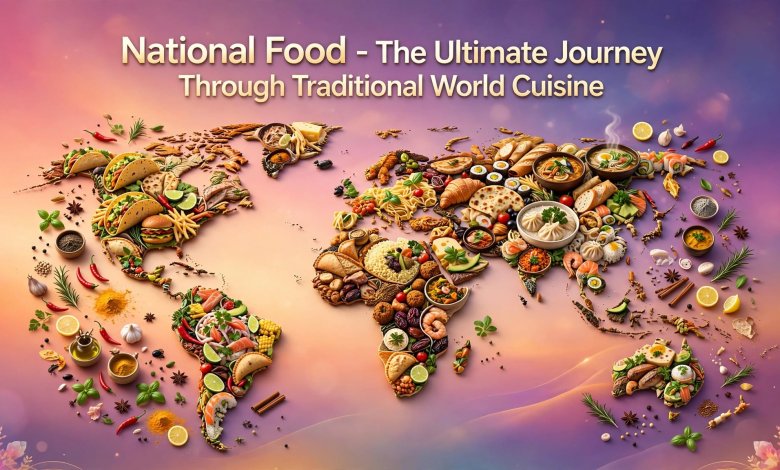
National foods allow us to appreciate a culture. Within each country there are specific traditional dishes which highlight the ingredients available within that location. These dishes relate to communities, events and family traditions, and give insight into people’s lifestyles. Dishes from Asia, Europe and Africa allow people to appreciate different cultures. National foods allow people to understand the variety within the world and appreciate the creativity of traditional dishes.
Importance of National Food
National foods give insight into the culture of a country. Many traditional dishes have been passed down through generations and are eaten during family events and national events. They often depend on the produce within the area, and reflect the history and cooking methods within it. By trying different national foods, people can learn how culture and history influence what people eat.
Traditional Dishes in Asia
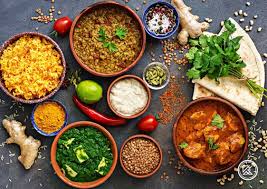
There is great variety in the flavours, spices and cooking methods within Asian dishes. In Pakistan, India, China, Thailand and Japan there are very distinctive traditional dishes. In Pakistan Biryani, in India Butter Chicken, in China Dumplings, in Thailand Green Curry and in Japan Sushi are popular dishes. Rice, vegetables, fish, herbs and flavourful spices are common ingredients in many traditional Asian dishes.
Traditional Dishes in Europe
Across Europe there is variety in traditional dishes. In Italy, pasta and pizza dishes are popular. In France, pastry dishes and highly skillful cooking methods are popular. Traditional dishes in Switzerland include fondue and raclette. In Spain, paella is popular. These dishes show how important using local produce in recipes, and traditional cooking methods, are in certain areas.
Delicious Dishes in Africa
In African nations, there is great variety in ingredients and spices used in dishes. Depending on which region you look at, there will be a very unique experience in terms of the food. Popular dishes include Jollof Rice in Nigeria, Injera and stew in Ethiopia, Tagine in Morocco and Bobotie in South Africa. Grains, vegetables, pulses and meat are commonly found in traditional African dishes.
Traditional Dishes in the Middle East
Dishes in the Middle East often include delicious and fragrant spices. Rice, grilled meat, breads, vegetables and tasty sauce are often found in traditional dishes. Popular traditional dishes include Hummus in Lebanon, Kebabs in Turkey, Kabsa in Saudi Arabia and Musakhan in Palestine. Sharing food with others is an important tradition in this area, bringing families and communities together.
Delicious Cuisines in Latin America
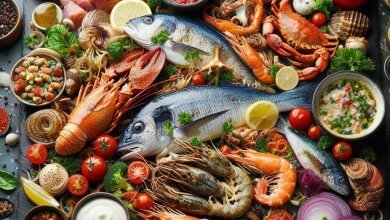
The foods found in Latin America include a combination of indigenous, European and African influences. Tacos and Tamales are popular in Mexico. In Brazil, Feijoada is popular, and in Peru traditional dishes include Ceviche. Corn, beans, rice, fish and fresh vegetables are important ingredients in many dishes in this region. This shows the diversity within cultures in the region.
Traditional Cooking Methods
Different cooking methods are used in traditional dishes to make them unique. Across many cultures, food is cooked in ways such as grilling, roasting, steaming, slow cooking, fermentation and baking. Some dishes may have taken many hours to cook, whereas others only take basic cooking methods. Knowing these cooking methods means traditional knowledge is able to be passed down and traditional flavours can be continued in future generations.
Bringing People Together
Eating food brings people together. In celebrations such as festivals, wedding, religious occasions and family events, traditional dishes may be eaten. Feeding people national dishes they may not be familiar with can allow them to understand more about local traditions and hospitality. Eating in restaurants, going to food markets and attending international cooking occasions can mean people can try food from different countries around the world.
Passing Down Traditional Recipes
Passing down traditional recipes is an important part of maintaining cultural traditions. Children can learn cooking methods from their families, and try ingredients commonly found in certain regions to make traditional dishes. Food festivals, cooking classes and cultural initiatives encourage people to value national cuisine. Combining traditional knowledge with new ideas in cooking means that traditions can be maintained, but can also be introduced to new people.
Conclusion
National dishes provide a great insight into the history, culture and traditions of different countries. Whether it be spiced dishes from Asia, unique dishes from Europe, rich stews from Africa, or popular dishes from Latin America, there is something unique to appreciate in each. Trying traditional dishes allows people to build cultural knowledge and appreciate the variety of different cuisines. By learning, sharing and passing down traditional recipes, communities can ensure their food traditions are preserved.

In addition future generations can be introduced to the wonderful variety of food from around the world.
Thanks