Swiss weddings are famous for being really beautiful and having a lot of customs that people love. One of the parts of the party is the food. Switzerland has a food history because of French, German and Italian cuisines. They have a lot of food that makes people happy and leaves them with great memories, which is why this food is so popular at weddings.
1. Zürcher Geschnetzeltes – A Classic Dish
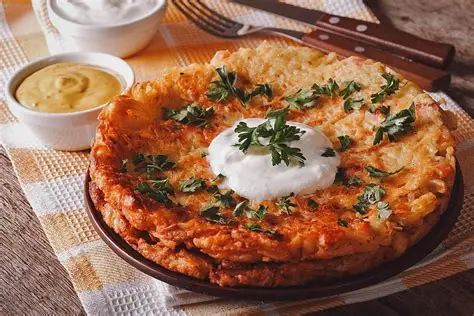
Rösti, a crispy potato cake that people in Switzerland love is often served with this Swiss-German meal. It has sliced veal in a creamy white wine and mushroom sauce. Zürcher Geschnetzeltes is a favorite at weddings because it tastes so good and the veal is really tender which makes the wedding table look amazing.
2. Fondue – A Cozy Favorite
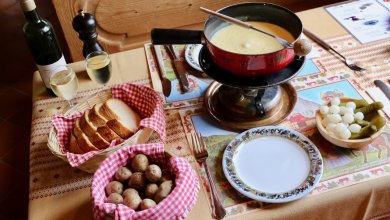
Fondue might sound like a food but it is actually really popular at Swiss weddings especially in the winter in the mountains. Guests can have a lot of fun eating at a cheese fondue station with bread, vegetables and meat. It is all about being cozy, warm and sharing food with ones, which is perfect for a happy wedding.
Some couples also serve fondue chinoise, which’s a meat fondue where guests cook thin pieces of pork or chicken in hot broth and dip them in different sauces. It is a way to get people talking and mingling at the wedding.
3. Raclette – A Social and Delicious Meal
Raclette is another cheese-based food that people in Switzerland love. It is a savory dish that is often melted and scraped over potatoes, pickles and onions. Raclette buffets, where guests can serve themselves and make their plates are really common at Swiss weddings. It is especially popular at weddings with a country or mountain theme.
4. A Taste of Ticino in Saffron Risotto
Saffron risotto is an delicious dish that comes from the Italian-speaking part of Switzerland. It adds a lot of flavor and color to the meal. Is often served with braised meats or as a vegetarian option.
5. Appenzeller Sausages and Cold Cuts
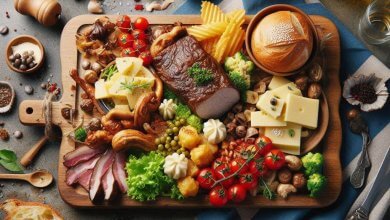
Plates of Appenzeller sausages smoked meats and cheeses are often served at the beginning of the wedding or as part of a buffet for more casual weddings. These foods are a way to honor local tastes and Swiss traditions and they are often served with wine and bread.
6. Swiss Desserts and Cakes for Weddings
No wedding is complete without dessert. While tiered cakes are popular many couples choose to have fruit cakes made with berries or Swiss nut cake. The meal often ends with a meringue with Gruyère cream or chocolate mousse which combines sweetness with Switzerlands love of dairy products.
Final Bite: Beautiful Food from the Alps
The food, at weddings is a great combination of traditional and comforting elements. Every meal, whether it is the veal of Zürcher Geschnetzeltes or the gooey richness of raclette tells a story of celebration, love and tradition.
These foods are a way for couples to say “I do” with food whether they are getting married in Switzerland or just love the flavors of the country. Swiss weddings and Swiss food are a match.