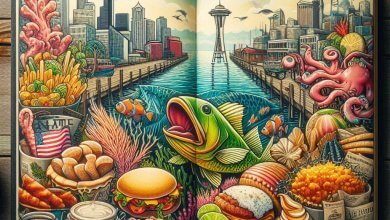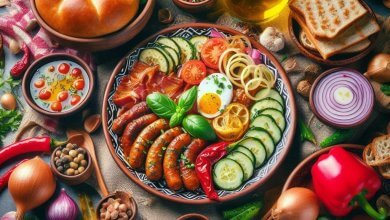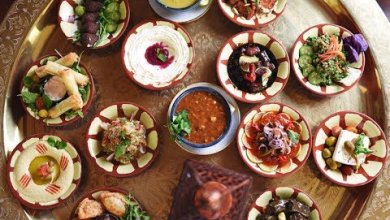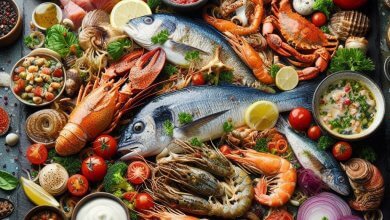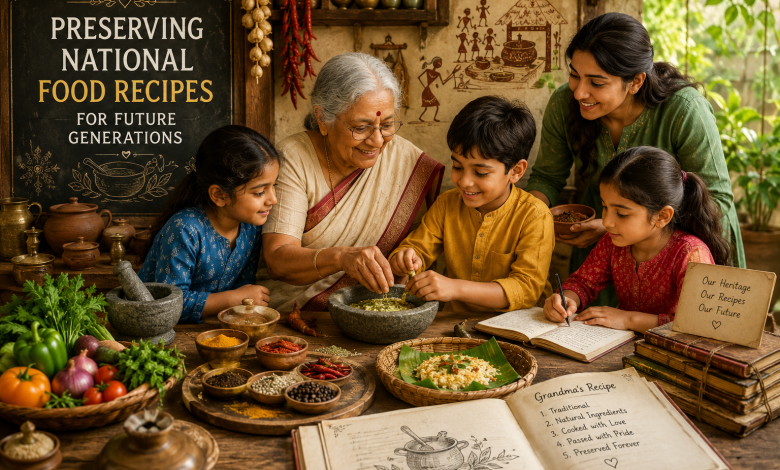
More than just the food itself, it all boils down to the tales behind our cuisine. It’s about geography, traditions, the lives of the people who came before us, and the very core of what defines our cultural identity. Every nation is blessed with a distinctive national dish or cuisine, one not simply defined by its ingredients but also by the age-old narratives passed down through generations.
In today’s globalized and rapidly changing world, cherished recipes are at risk of being lost.
We must rally to preserve these culinary treasures!
Recipes Represent a Legacy
Recipes not only serve as guides on how to prepare a dish but are also integral parts of our history, present, and future. They are a window into our culture, chronicling how ingredients have traveled across continents and the stories associated with them. Documenting these recipes is like preserving a piece of our past for future generations and sharing the rich history of our families with the rest of the world – the secrets of our family dinners that we’ve often kept to ourselves.
Fast-Paced Living Loss of Tradition
As life speeds up, we find ourselves with less time for slow, traditional meals – cooking not just for ourselves but more importantly, for our loved ones.
Food has become less about coming together and more of a means to an end, inevitably pushing traditional cooking to the periphery.
The Once Dominant Oral Tradition
Many traditional recipes existed solely in spoken form, passed down from generation to generation by word of mouth through observation, participation in the cooking process, and simple family discussions. It felt like a personal, one-on-one cooking masterclass.
However, like any oral tradition, recipes can fade with the passing of the cook.
Documenting the Time investment in Preservation
The most effective way to ensure that your cherished family dishes are not lost forever is by documenting them in writing. This is not about merely transcribing a recipe from the internet; it’s about meticulously recording all the details: the preparation and cooking instructions, the specific ingredients, the techniques involved, and, crucially, the story behind the dish, explaining why it holds significance for you and your family.
The more recipes we document, the more traditions will remain “alive.”
Community Cookbooks Sharing and Strengthening Bonds
Compiling traditional recipes into a community cookbook is a wonderful strategy to reach a wider audience and preserve the culinary heritage of a specific region or community. Such a project not only disseminates family recipes but also fortifies the bonds and sense of community among members through a shared cultural experience.
Pass it on to the Next Generation Teaching Kids to Cook
These recipes are secured for generations! Involve your children in cooking the traditional dishes of your family.
Let them experience the taste, understand the process, and appreciate the importance of the tradition.
If they love to eat, chances are they will also love to cook the food that defines your family history.
Harness Technology’s Power
Modern technology isn’t our foe; it’s a valuable ally! Blogs, mobile apps, and social media can be powerful tools to share recipes and our culture with a global audience, expanding the collective culinary knowledge and making recipes accessible to all.
Governments and Institutions Their Role Is Crucial
If we want significant support in the preservation and protection of our food culture, local and national governments and other public institutions must take an active role. These bodies play a vital role in policy-making and allocating the necessary resources to protect our heritage.
The Contribution of Restaurants in Preserving Our Food Traditions
Support businesses dedicated to traditional cuisine.
These restaurants play a crucial role in allowing both locals and tourists to experience and taste the richness of our culture, acting as important hubs for its preservation and promotion.
Preserve but Don’t Be Afraid to Adapt
A traditional recipe should not become an artifact; it must live on! While it is essential to retain the essence of the original, certain adaptations in the preparation or presentation of a dish can enhance its appeal and make it relevant to contemporary trends without sacrificing its authenticity.
In conclusion
Food recipes are far more than mere instructions; they are cultural heirlooms, living representations of our history, geography, society, traditions, and individual identities. To safeguard and revitalize this invaluable heritage for the generations to come, we must all be aware and take concrete actions-on personal
community, and national levels-to ensure that the story of who we are continues to be told through food.
Thanks