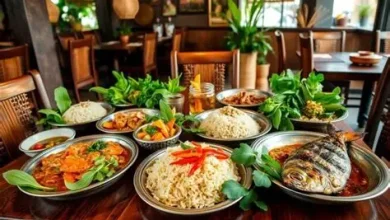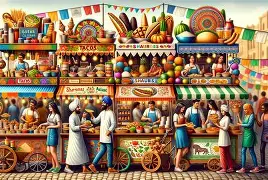
Long before we were all documenting our next foodie stop on Instagram, or queuing in lines to snag a few delicious bites from food trucks or a hot stall on the corner, the life and heart of communities around the world were the informal kitchens found on our streets. They provided cheap, quick, cultural bites that fed working people, travelers, and city dwellers for millennia. Check out how the street food we know and love today came to be.
1. A Fast-Food Culture of Ancient Rome
Long before kitchens were standard in the tiny apartments that city dwellers crammed themselves into in ancient Rome, they visited the “thermopolia” (shops) to purchase their food and drink from their counters, served directly onto the street. We can see evidence of this everywhere, even in Pompeii where excavators discovered shops complete with urns built into the counters containing cooked stews and legumes.
2. The Deep History of Chinese Street Food
Dating back thousands of years in China, street food has always been intimately linked to dynamic market towns and trade routes across dynastic empires. As travelers meandered their way through China, a selection of ready-made and cheap dishes including dumplings, noodles, and skewered meats were readily available from mobile vendors.
3. A Spreading of Flavors
throughout the Middle East From early forms of grilling techniques to the proliferation of portable flatbreads and skewers of spiced meats from the spice-rich regions along the Middle Eastern trade routes to vast areas of the ancient world.
Early forms of kebabs and falafel go back hundreds of years with plenty of flavors that can still be found from the region to this day.
4. Pre-Columbian
Street Food Roots of Mexico Even prior to Spanish colonisation in the region, Aztec market stalls like Tlatelolco served vendors with tamales, tortillas, and grilled goods. After colonisation and a gradual adaptation, this culture survived and grew into what are now widely recognisable taco stalls and food carts across the globe.
5. Street Food reflects India’s Diverse Culture
As a continent with a huge amount of diversity across different regions, so did India’s street food scene. Each area would develop a diverse selection of chaat in the north, while a southern variety might offer dosas for the general public to access easily and affordable food and a hearty meal on the go.
6. Food in the Industrial Age With increased
industrialisation and mass migration into cities throughout the 19th and 20th centuries the need arose for food on the go. As people migrated to work in and around industrial centres and factories across various nations street food stalls served as quick and cheap meals readily available to working populations.
7. How Immigrants and the International
Spread of Culture Changed the Game Throughout much of modern history and into the present day the flow of people across national borders and into new countries have often been accompanied by a culinary exchange where new food offerings arrived, with the initial introduction taking place through street vendors. Many common street foods we eat today – like hot dogs or the ever popular Vietnamese bnh m – demonstrate this blend of the familiar and the foreign.
8. A Modern
Renaissance of the Street FoodScene Today, street food has been elevated in recent years with a global increase in street markets,food trucksand evenMichelin starred restaurant recognition – bringing a new perspective and appreciation for the people who cook, serve, and sell the dishes,
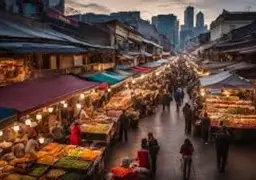
transforming it into a genuine foodie destination.
Thanks